

CITI Welcomes QCO Revocation as Falling Raw Material Prices Boost Textile Competitiveness

Share Post
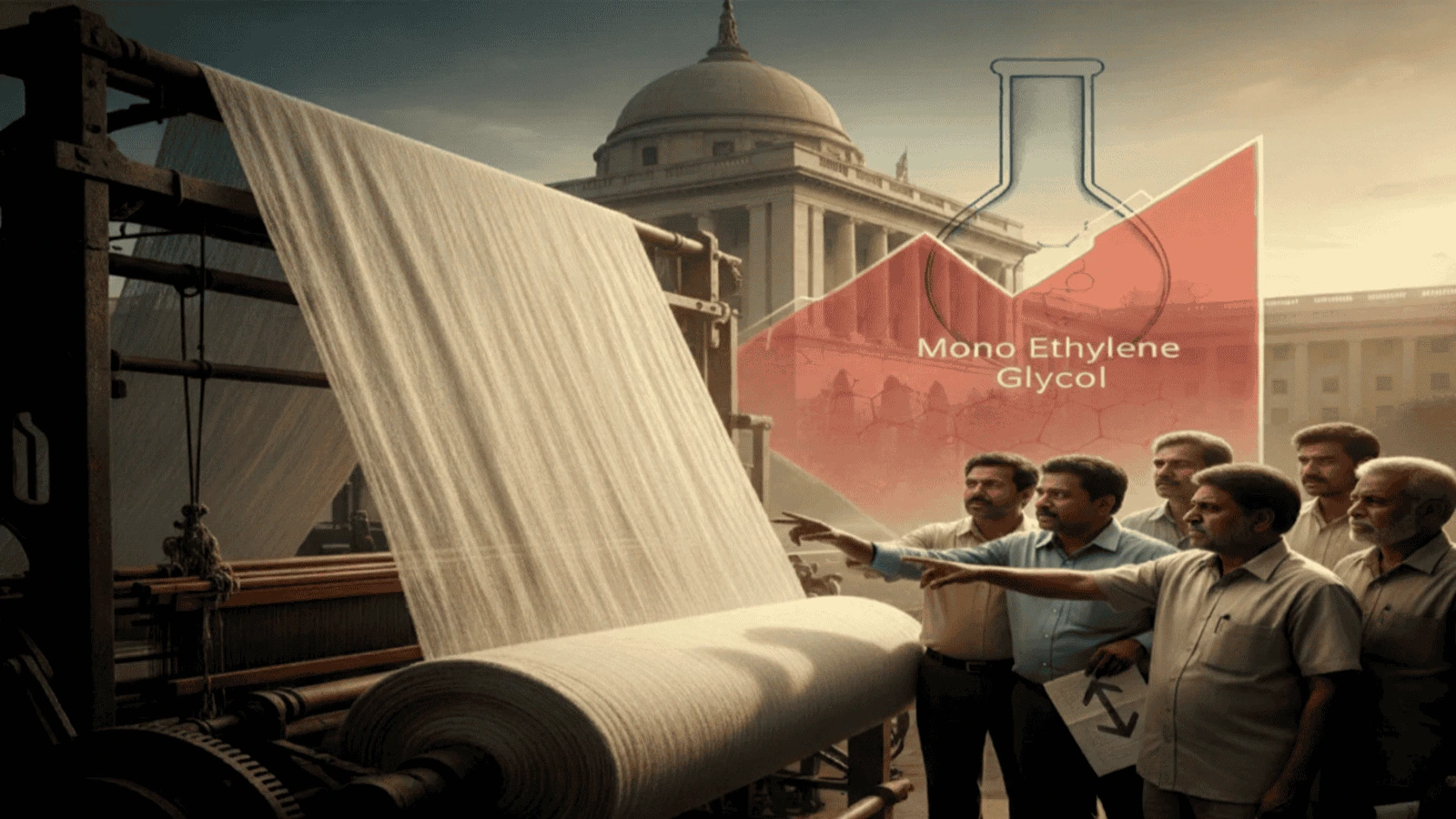
The Indian textile and apparel industry has received a significant boost following the government’s decision to revoke Quality Control Orders (QCOs) on several key raw materials, a move that has begun easing input costs and improving supply flexibility across the sector.
Welcoming the development, the Confederation of Indian textile industry (CITI) said the withdrawal of QCOs has already started reflecting in softening prices of fibres and yarns, offering much-needed relief to manufacturers grappling with global demand pressures and tight margins.
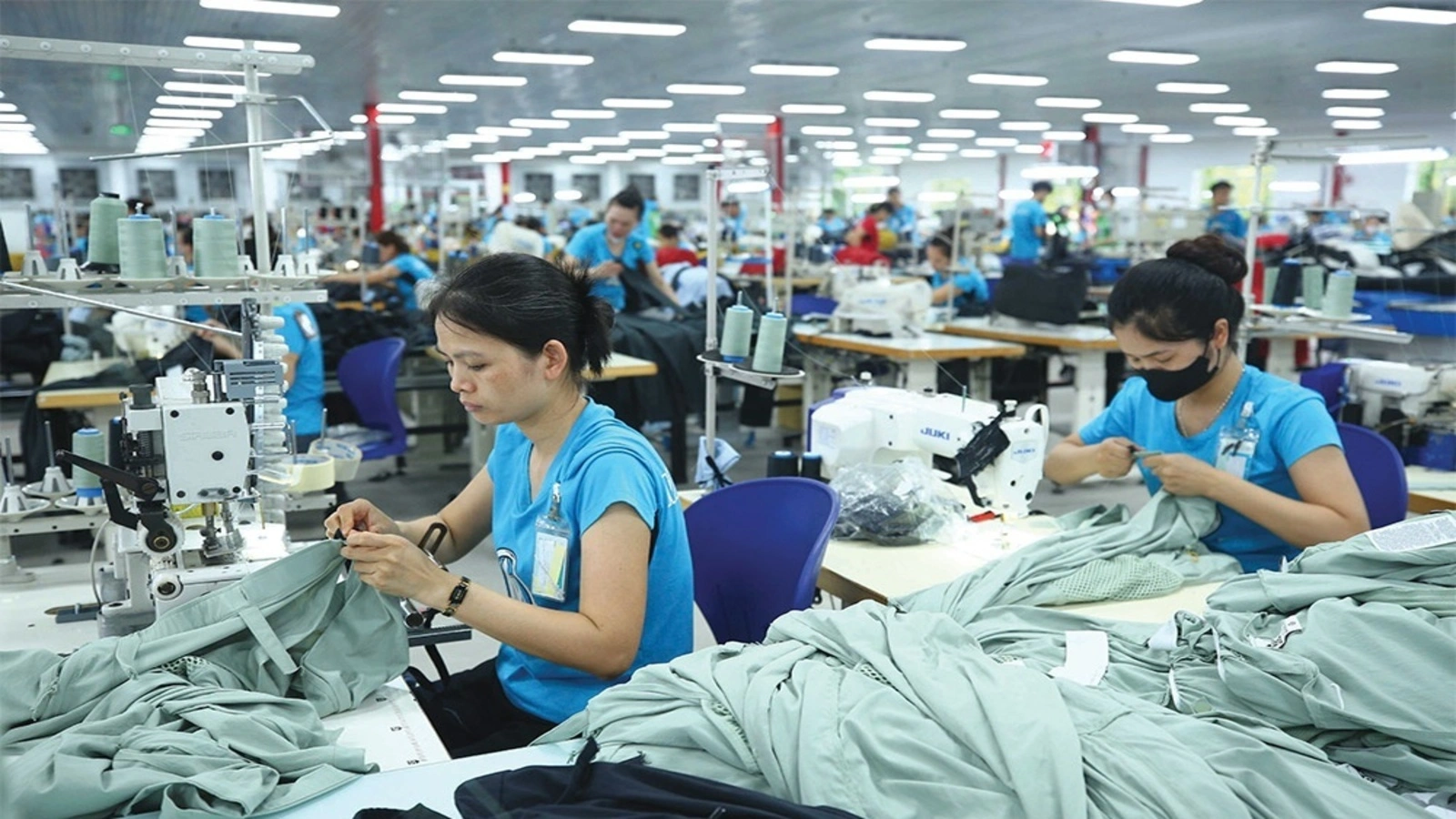
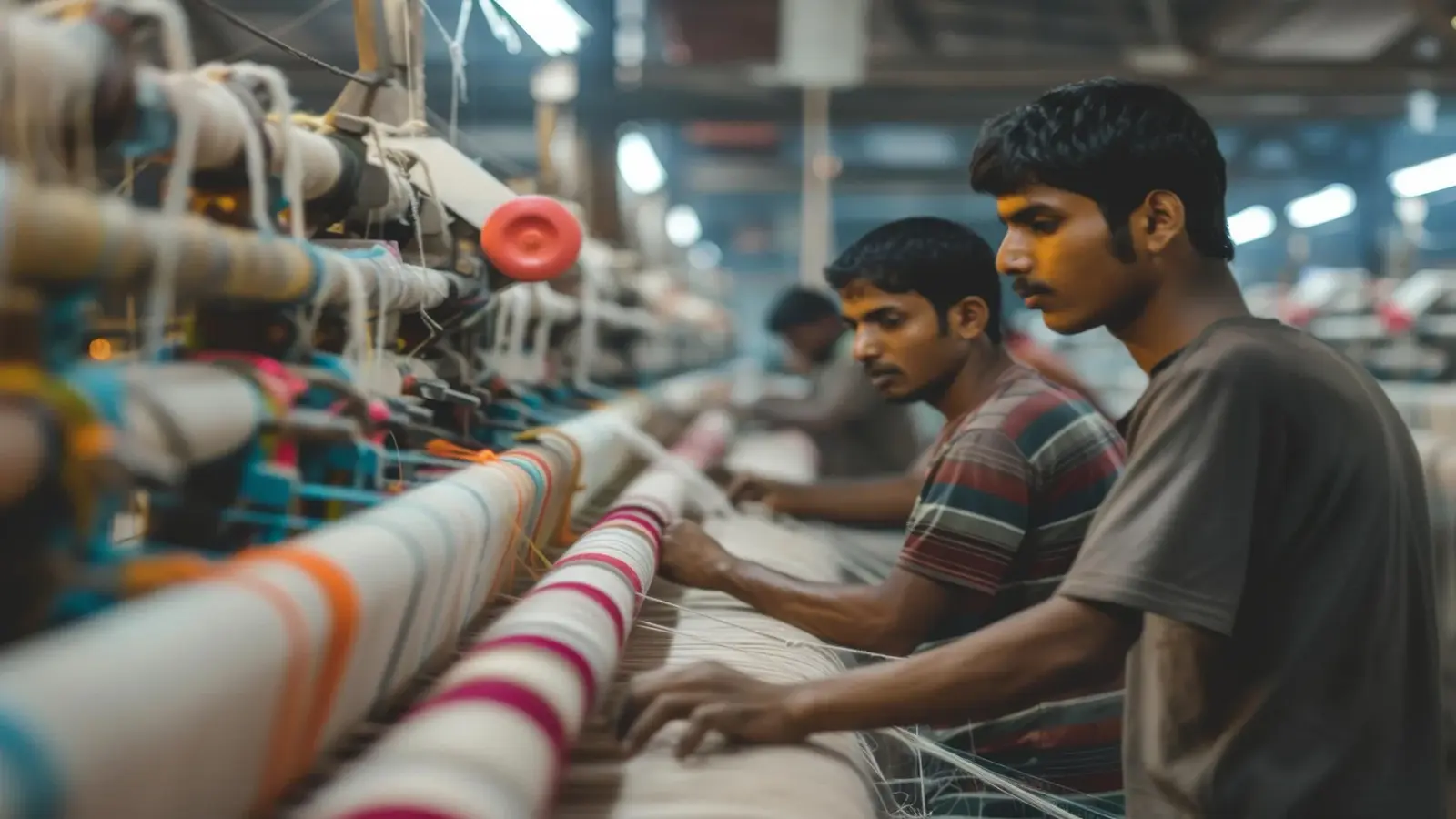
According to industry observations, prices of Man-made fibres such as polyester staple fibre and lyocell, along with associated yarns, have shown a downward trend after the revocation. This reduction in raw material costs is expected to directly benefit spinners, weavers, processors and garment manufacturers, particularly those operating in export-oriented clusters.
CITI noted that the earlier QCO framework, which required mandatory BIS certification for certain fibres, yarns and chemical inputs, had restricted sourcing options and increased compliance costs. The revocation has now expanded access to global raw material markets, enabling manufacturers to source quality inputs at competitive prices.
The industry body further highlighted that the move will be especially beneficial for micro, small and medium enterprises (MSMEs), which form the backbone of India’s textile value chain. Many MSMEs depend on imported specialty fibres and intermediates that were previously difficult or expensive to procure due to regulatory constraints.
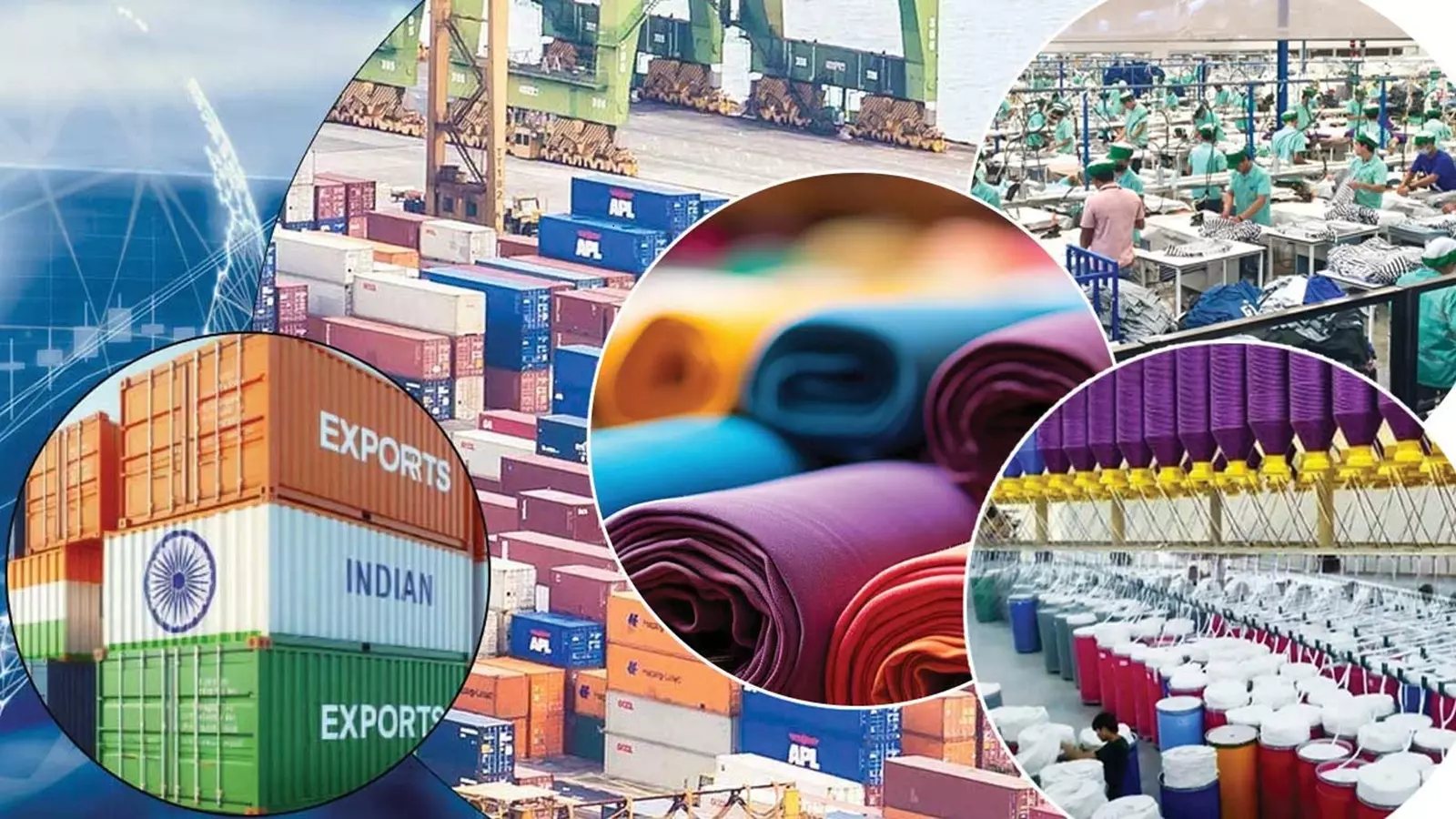
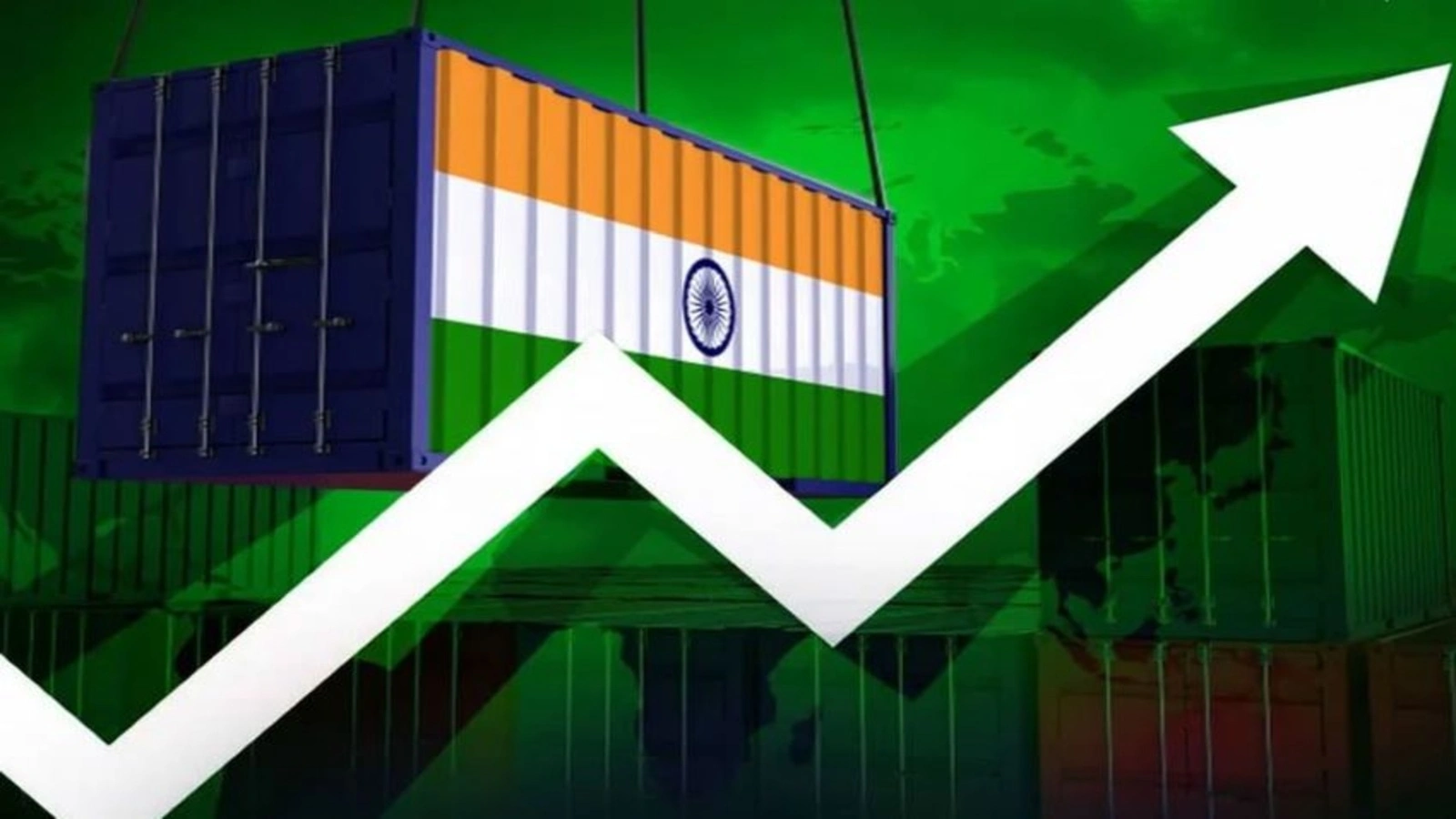
From an export perspective, the decision is expected to strengthen India’s competitiveness against major textile-exporting nations such as China, Vietnam and Bangladesh. With raw material costs stabilising, Indian exporters are better positioned to meet international price expectations and diversify into value-added and man-made fibre-based products, a key focus area for the sector’s long-term growth.
While the revocation is largely seen as positive for downstream segments, industry experts note that upstream producers may face increased competition due to greater import availability. However, CITI emphasised that the overall impact would support the sector’s growth by improving efficiency, cost structures and ease of doing business.
The QCO rollback aligns with the government’s broader objective of reviving textile exports, supporting manufacturing competitiveness and encouraging investment across the textile and apparel ecosystem. As global markets remain challenging, industry stakeholders believe such policy interventions are crucial to sustaining momentum and protecting employment in one of India’s largest industrial sectors.
11:53 AM, Dec 25

.webp)

Winsome Textile Industries Ltd Rated Sell by MarketsMojo
11:03 AM, Dec 26
Mushroom Based Insulation Offers New Life for Europes Textile Waste
02:41 PM, Dec 25Industry Update

1.webp)


1.webp)


1.webp)



1.webp)


1.webp)

1.webp)
1.webp)
1.webp)

1.webp)

.webp)

1.webp)

1.webp)








1.webp)







1.webp)


1.webp)



Carrington Textiles Introduces Defence Stock Range for Faster Access to Military Fabrics...view more


1.webp)





1.webp)


1.webp)
1.webp)




1.jpg)


1.jpg)








_large1.jpeg)







.png)


.jpg)


1.jpeg)