

Bangladesh Textile Industry Seeks Safeguard Tariff on Indian Cotton Yarn Imports
Share Post
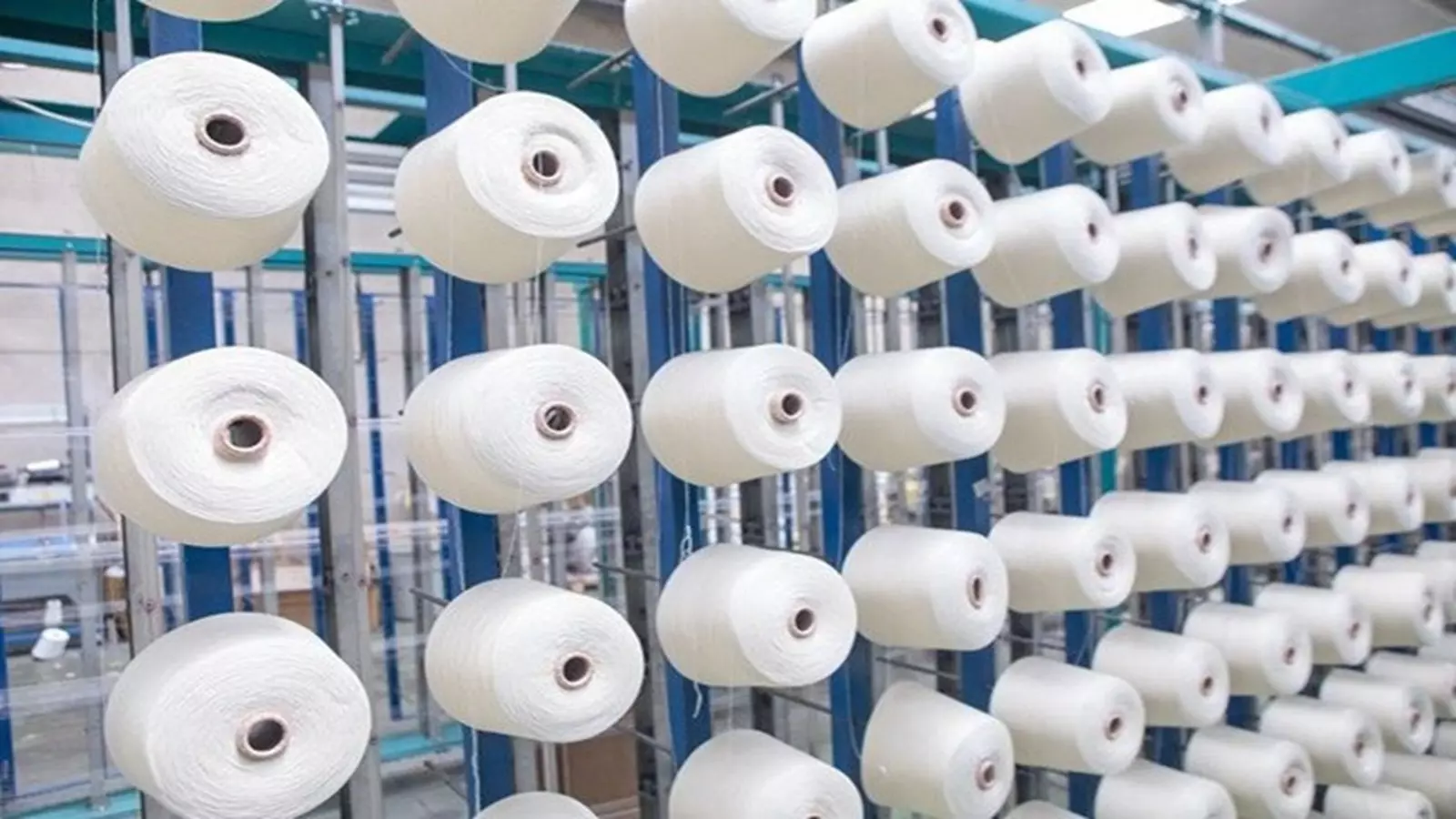
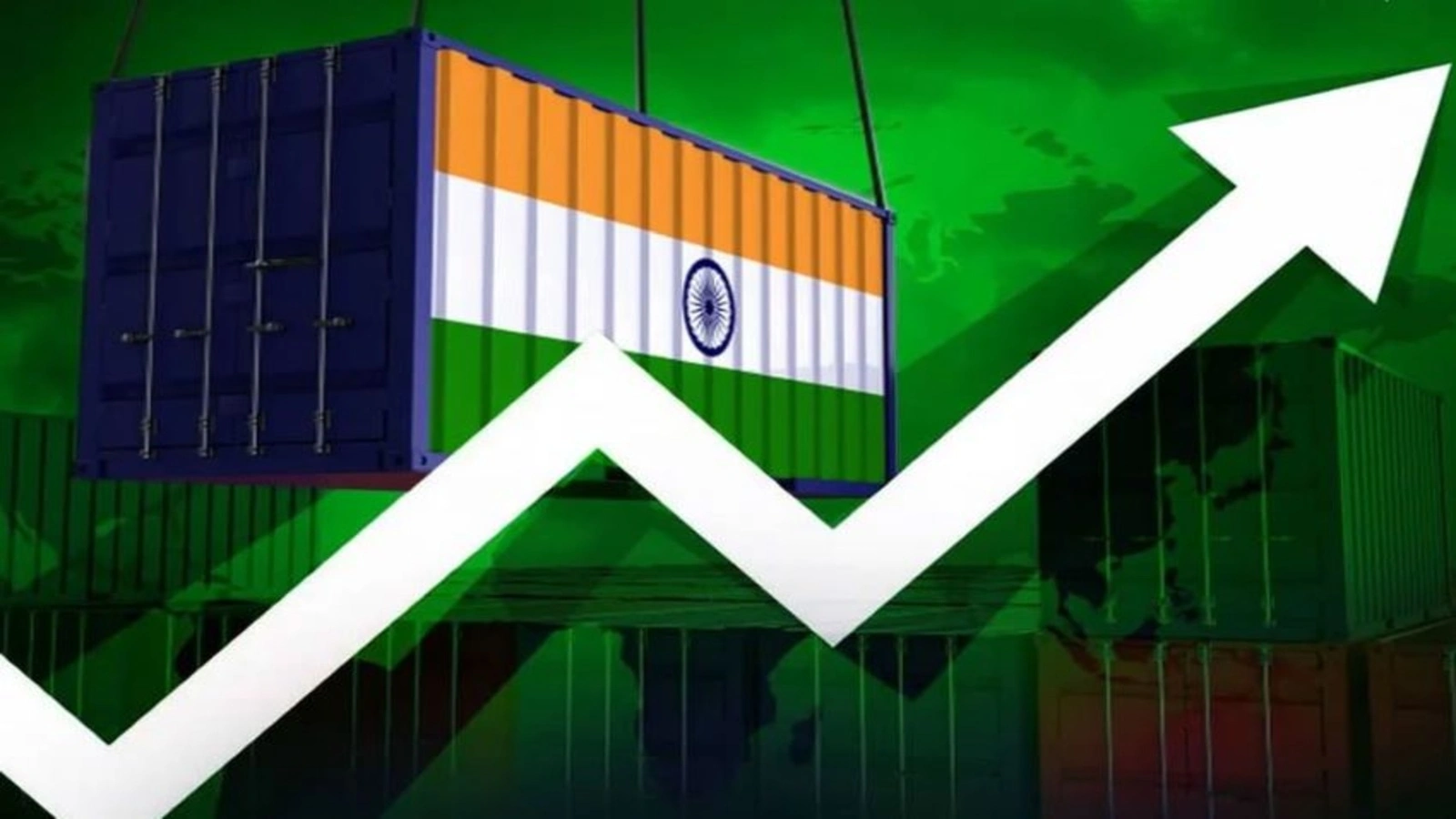
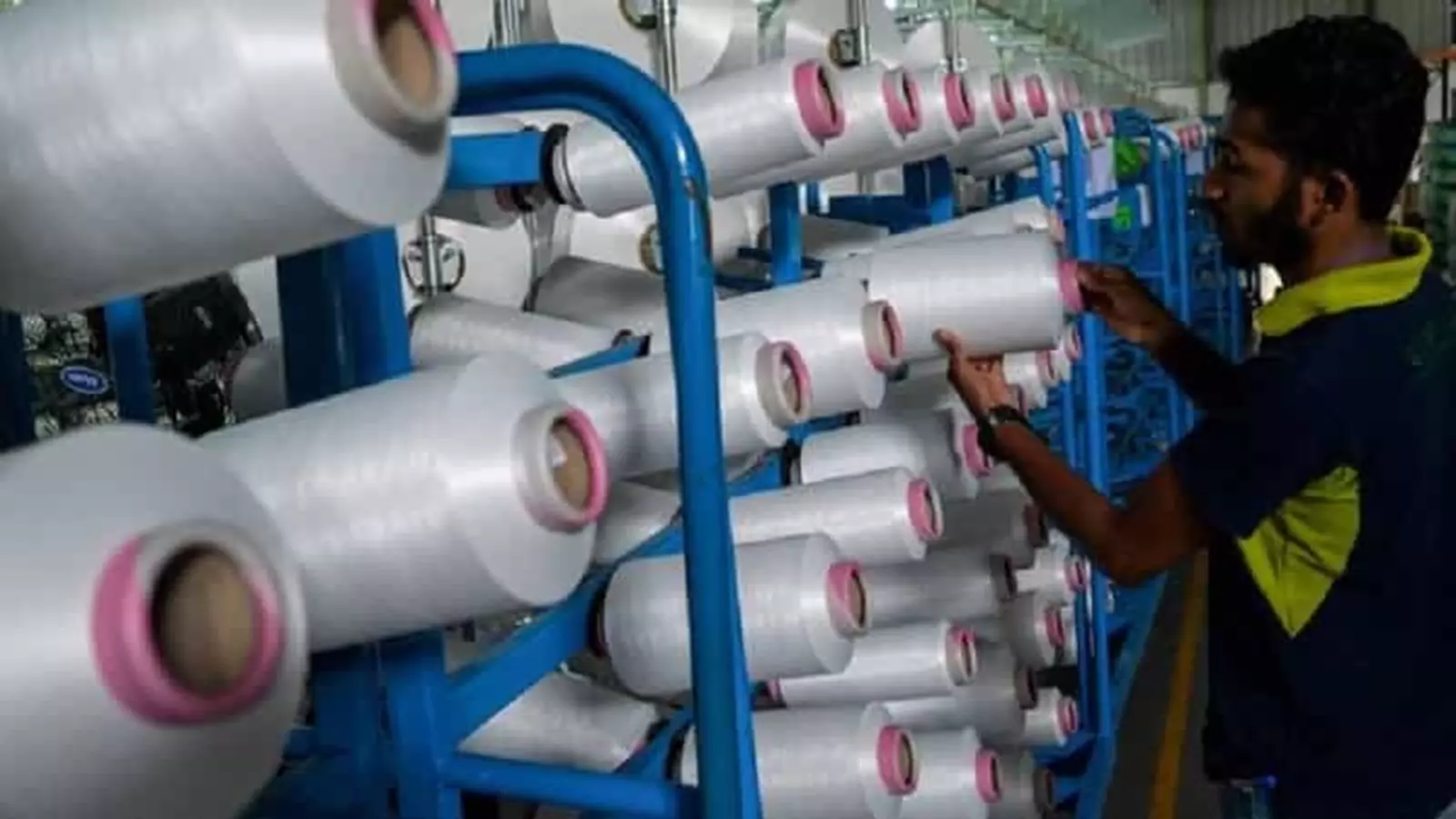
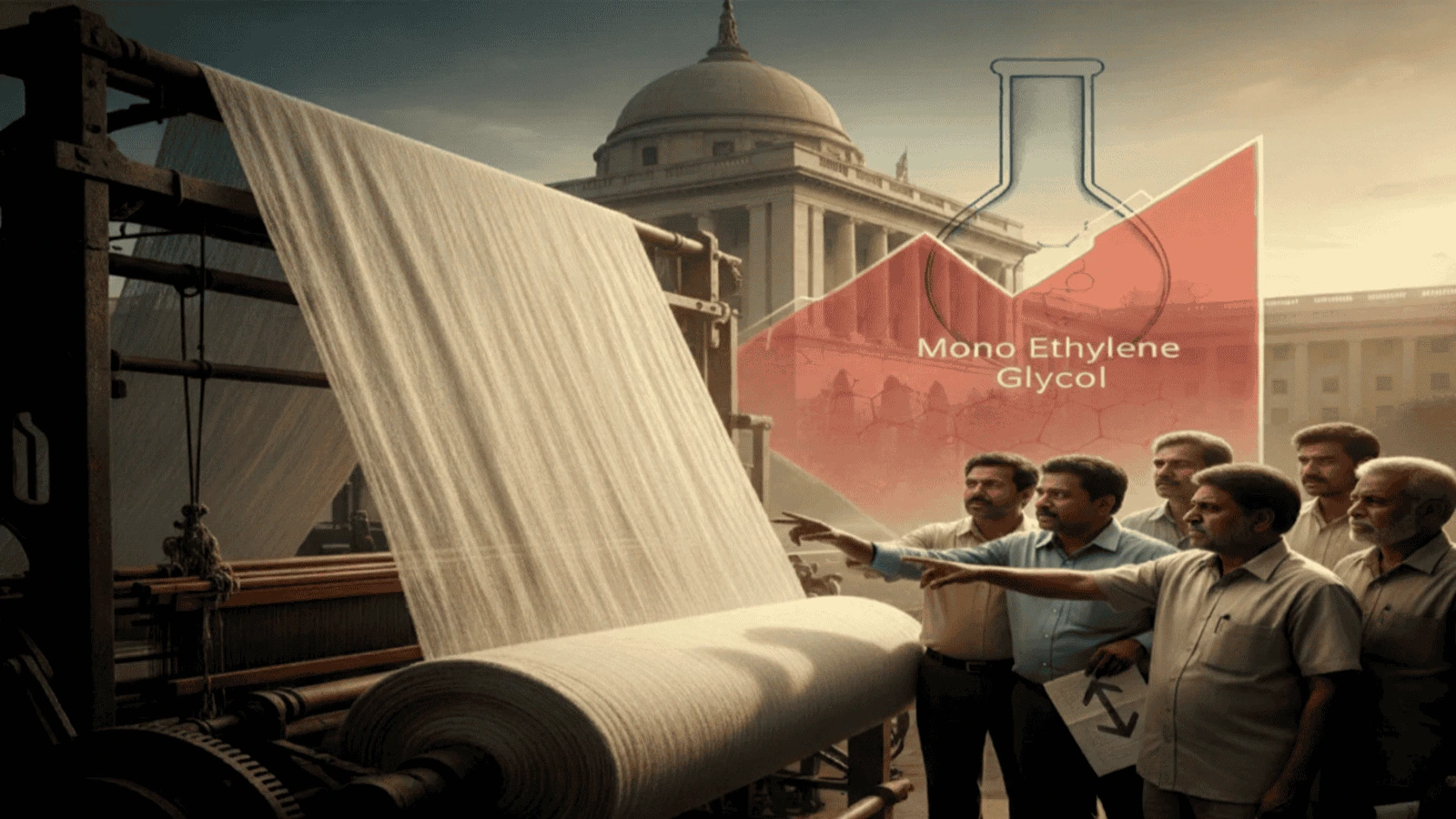
The Bangladesh textile industry has appealed to its government to impose a safeguard tariff of up to 20% on cotton yarn imports from India, raising concerns over the impact of low-priced Indian yarn on the country’s domestic spinning mills.
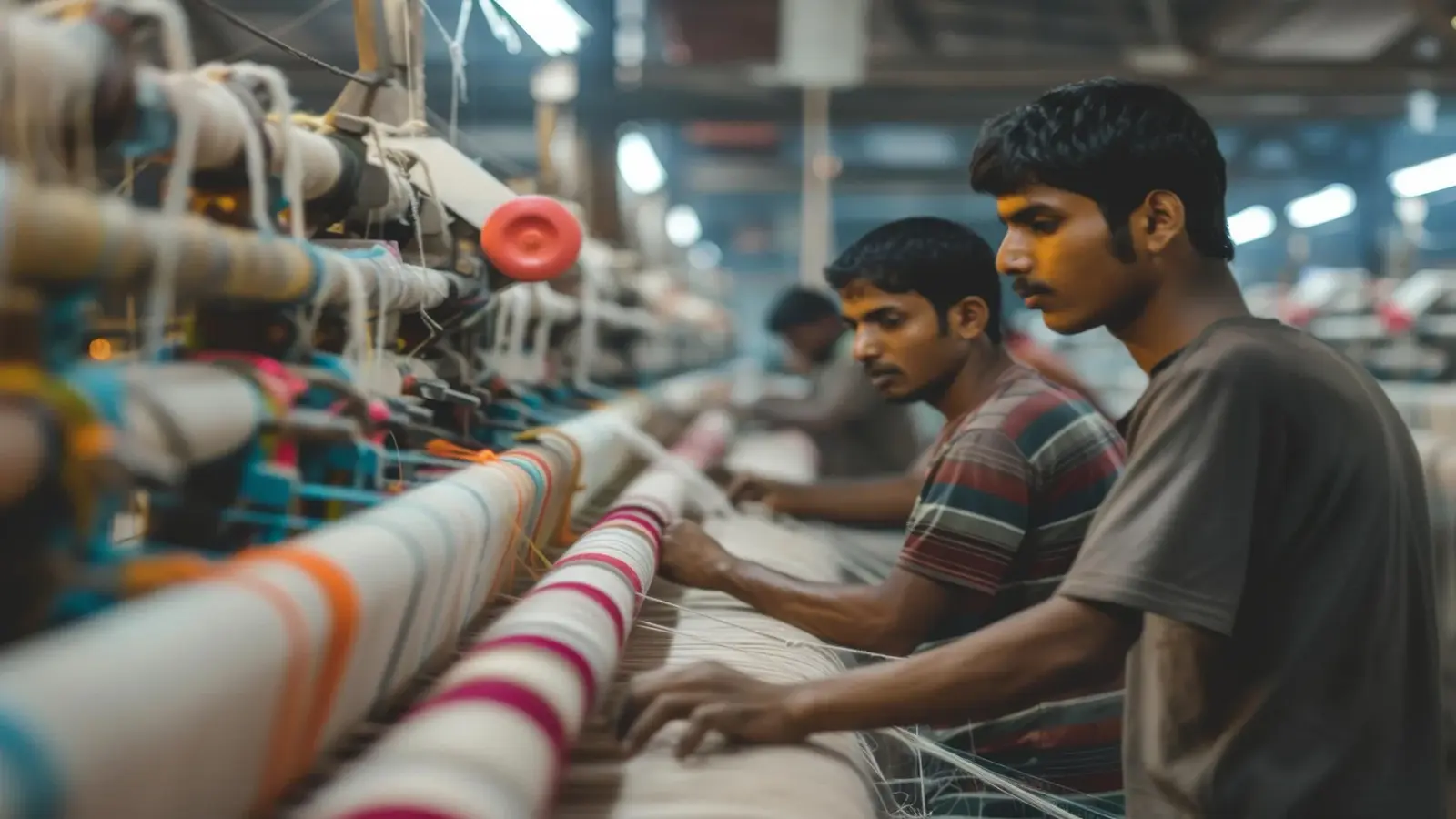
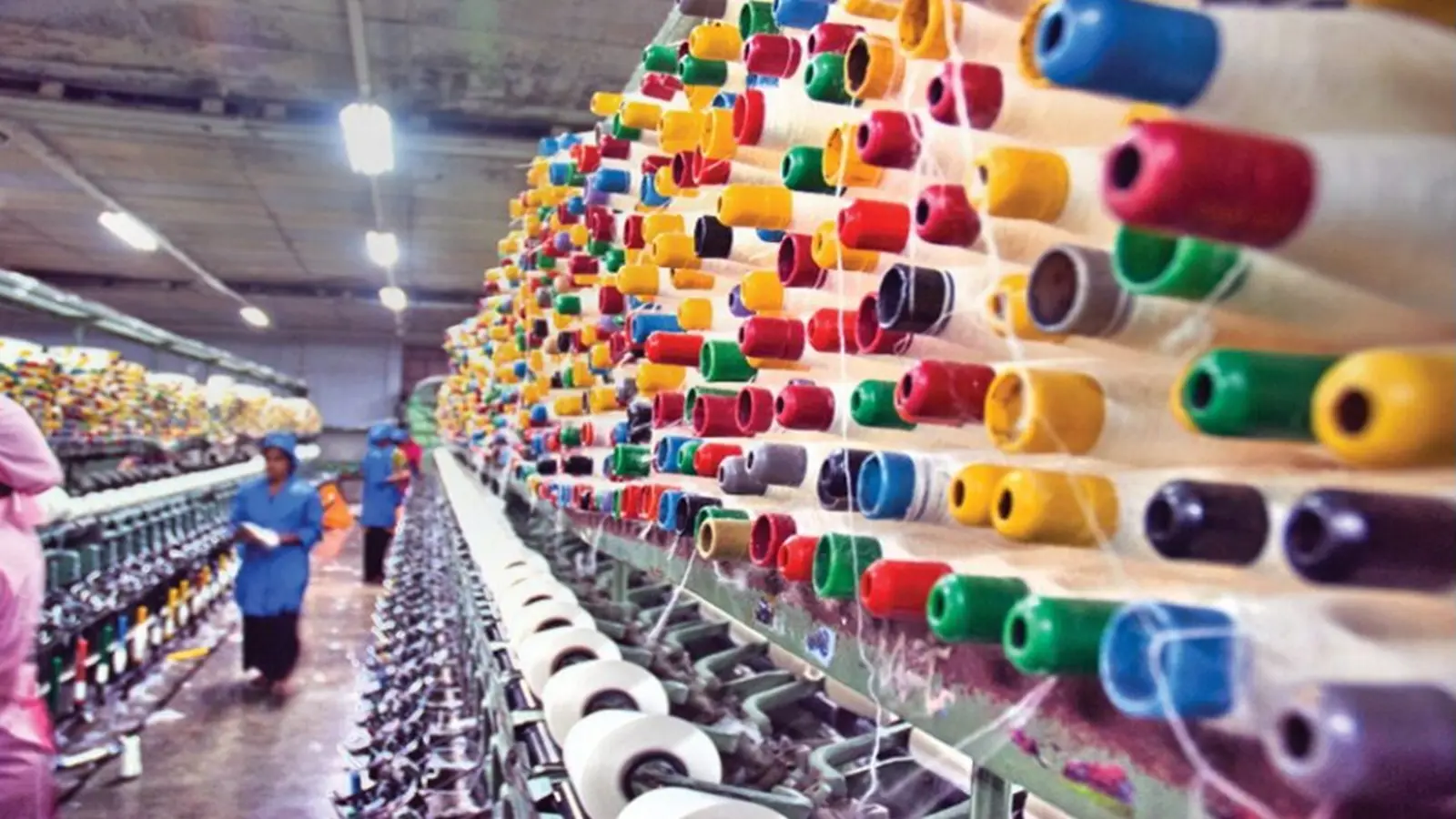
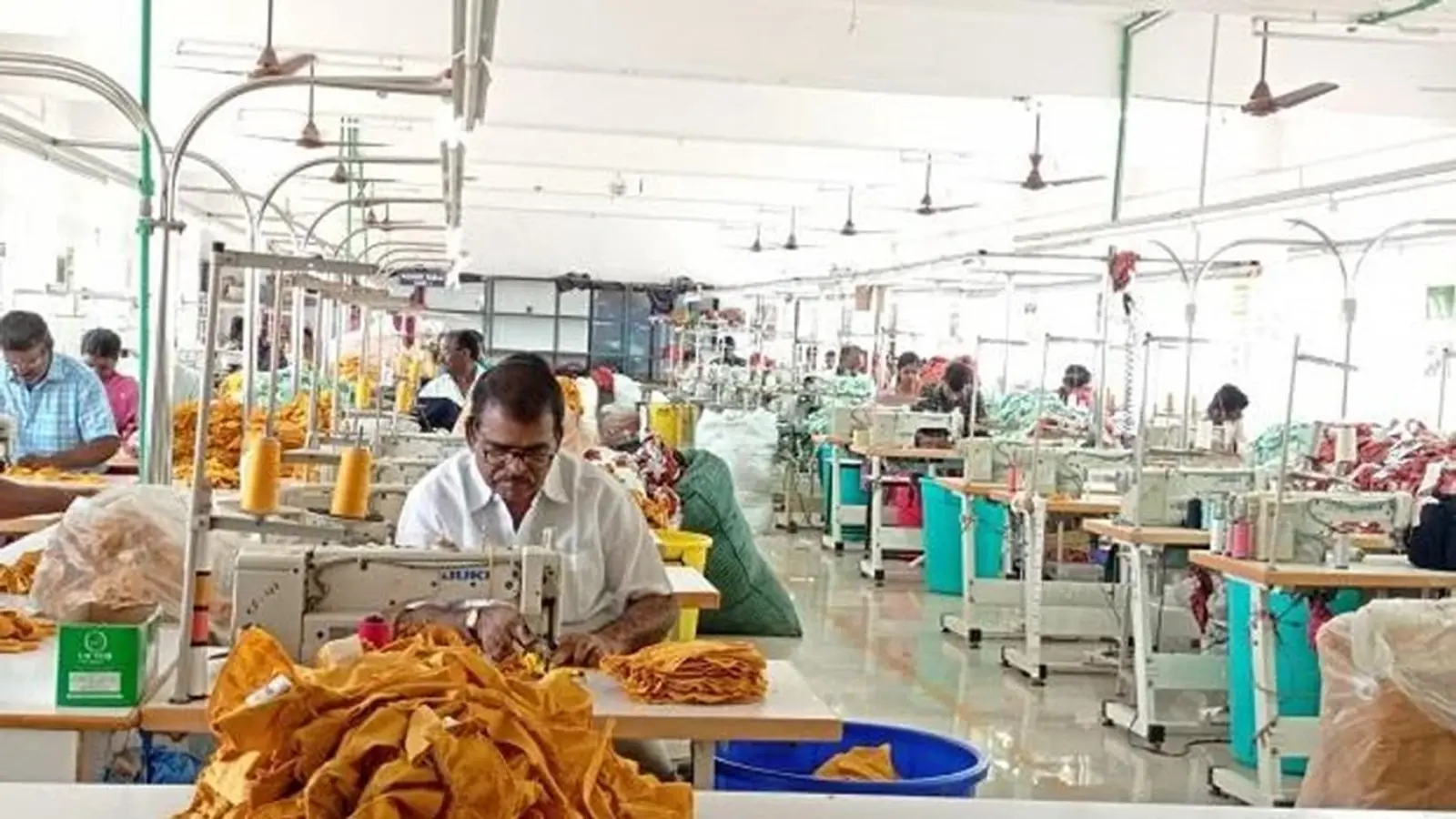
According to industry representatives, large volumes of Indian cotton yarn, blended yarn and grey mélange yarn are entering Bangladesh at competitive prices, making it difficult for local yarn manufacturers to sustain operations. The industry argues that the sharp rise in imports has resulted in serious financial pressure on domestic mills, many of which are already facing high production costs and reduced margins.
Why Bangladesh Wants the Tariff
Bangladesh’s spinning sector claims that yarn imported from India is often cheaper due to duty-free or low-duty access, giving Indian suppliers a cost advantage. While such imports are officially allowed for use in export-oriented garment production, industry leaders allege that a portion of this yarn is being diverted to the local market, further affecting domestic producers.
The proposed safeguard duty is intended as a temporary protective measure to stabilize the local spinning industry, prevent factory closures, and safeguard employment in the textile value chain.
Impact on India’s Yarn Exporters
India is one of the largest suppliers of cotton yarn to Bangladesh, which is also one of the world’s biggest garment manufacturing hubs. Regions such as Vidarbha and Maharashtra depend heavily on yarn exports to Bangladesh, with industry estimates suggesting that nearly 30% of their yarn output is shipped to the neighbouring country.
If Bangladesh approves the safeguard tariff, Indian exporters could face:
-
Reduced yarn shipments
-
Increased price pressure
-
Possible accumulation of unsold inventory
This may also affect cotton prices and spinning activity in India, especially for export-focused mills.
Trade and Industry Implications
Bangladesh relies heavily on imported yarn to meet the needs of its massive apparel industry. However, the spinning sector has been struggling due to rising energy costs, currency pressure, and global demand fluctuations. Industry leaders believe temporary tariff protection would give local mills breathing space to recover.
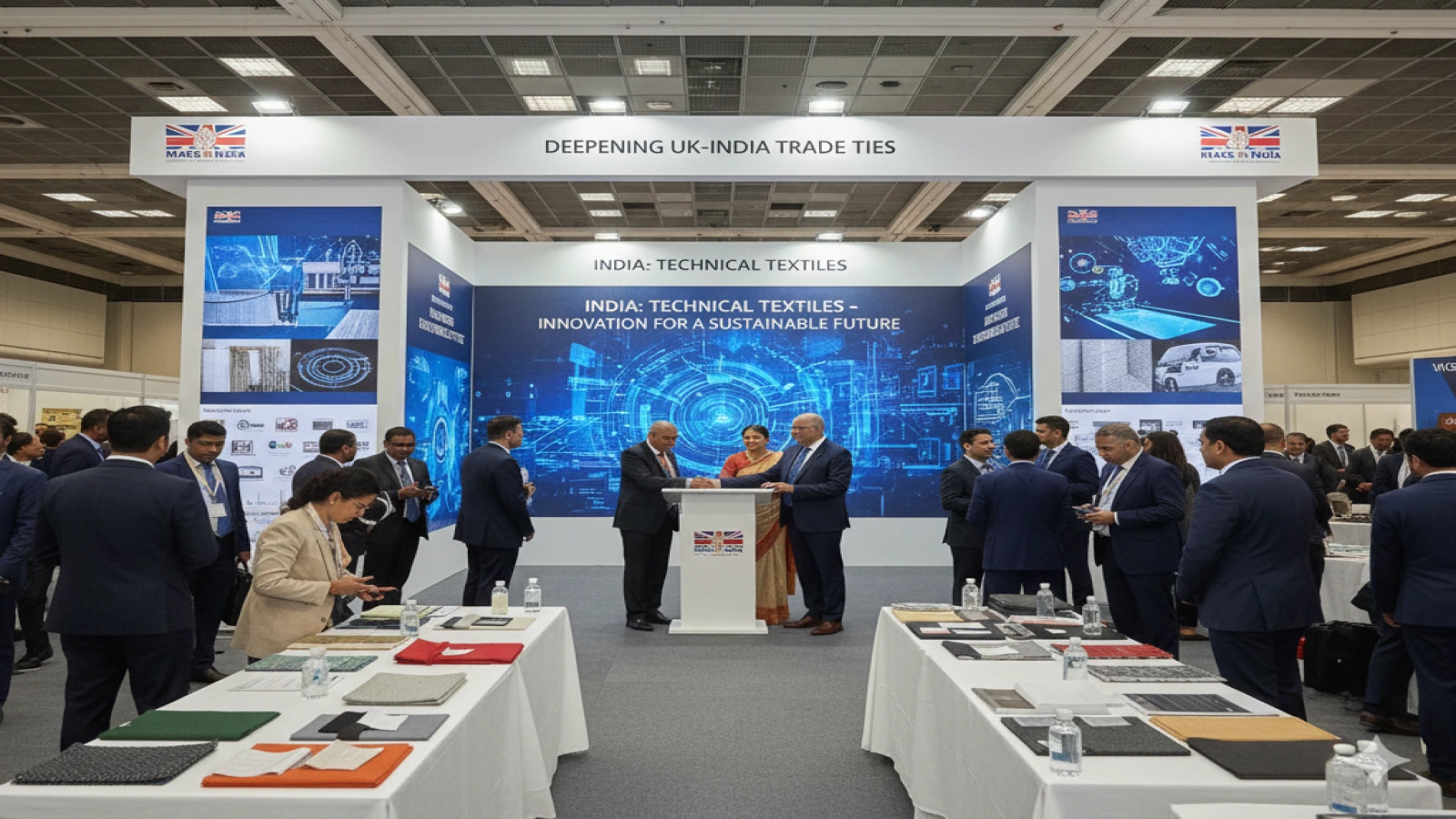
From a broader trade perspective, the move could influence India–Bangladesh textile trade relations, particularly at a time when both countries are navigating global tariff pressures, shifting sourcing patterns, and uncertain export demand.
What Happens Next
The final decision rests with the Bangladesh government and trade authorities, who will assess whether the surge in imports qualifies for safeguard measures under international trade rules. If approved, the tariff would apply for a limited period and be reviewed periodically.
10:12 AM, Jan 09

.webp)
.webp)
.webp)
Industry Update


1.webp)
1.webp)
1.webp)
1.webp)
1.webp)

1.webp)

1.webp)
1.webp)


1.webp)


1.webp)


1.webp)


1.webp)


1.webp)

1.webp)
1.webp)

1.webp)

1.webp)

.webp)

1.webp)

1.webp)








1.webp)







1.webp)


1.webp)



Carrington Textiles Introduces Defence Stock Range for Faster Access to Military Fabrics...view more


1.webp)




1.webp)


1.webp)
1.webp)




1.jpg)


1.jpg)






_large1.jpeg)







.png)


.jpg)


1.jpeg)