

Cotton Yarn at ₹300/kg: Price Surge Strains Margins, Threatens Textile Growth

Share Post
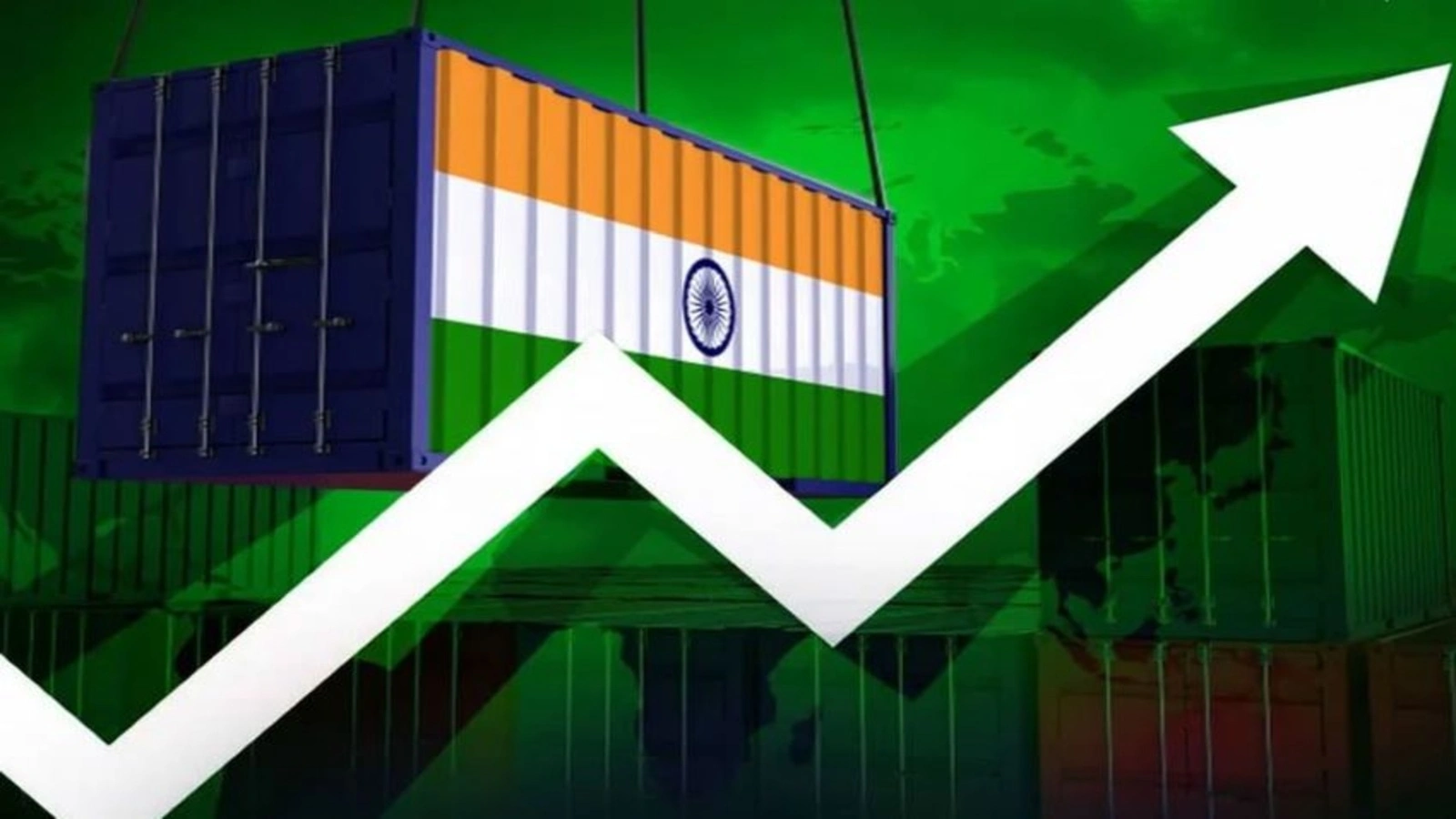
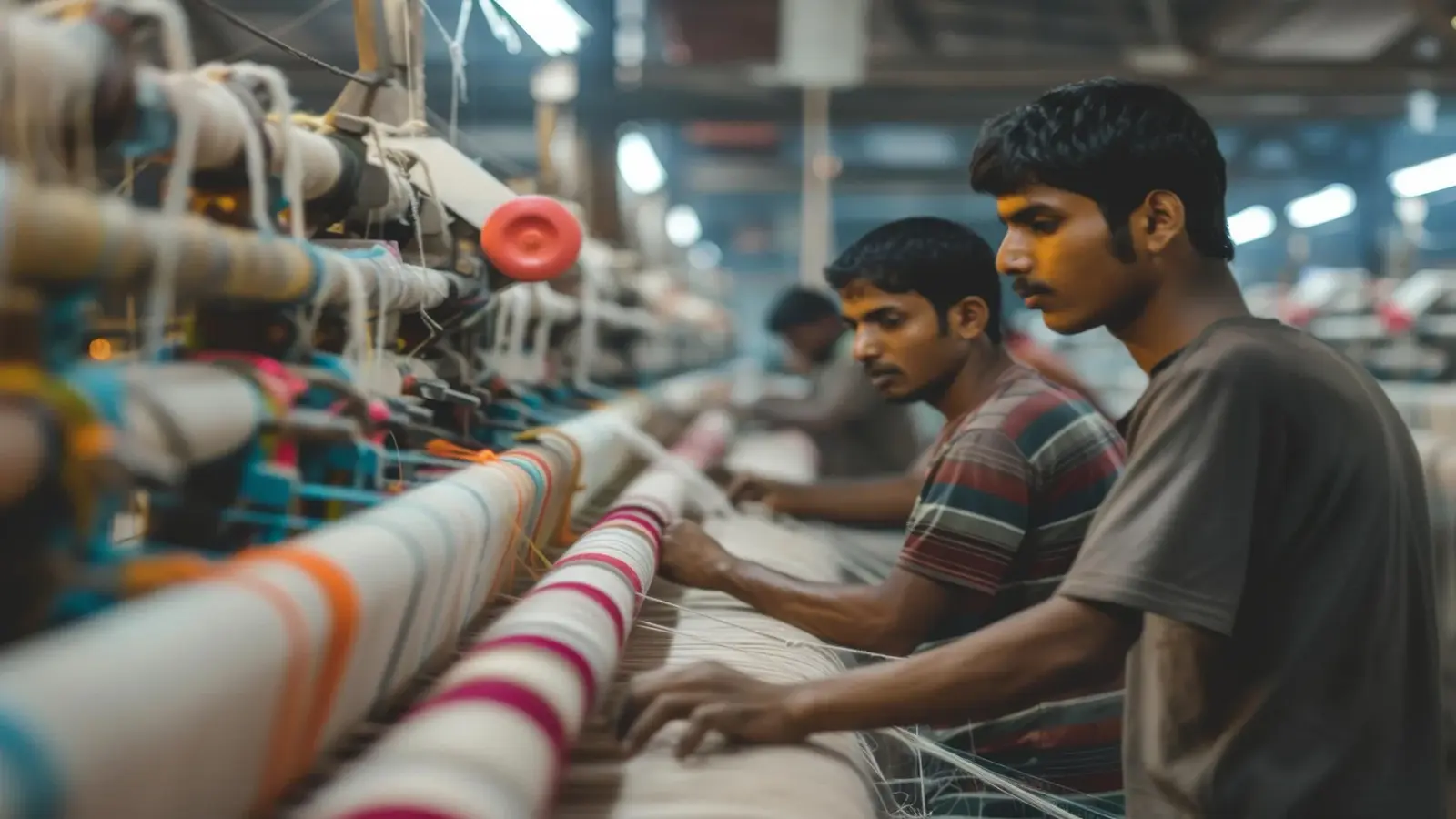
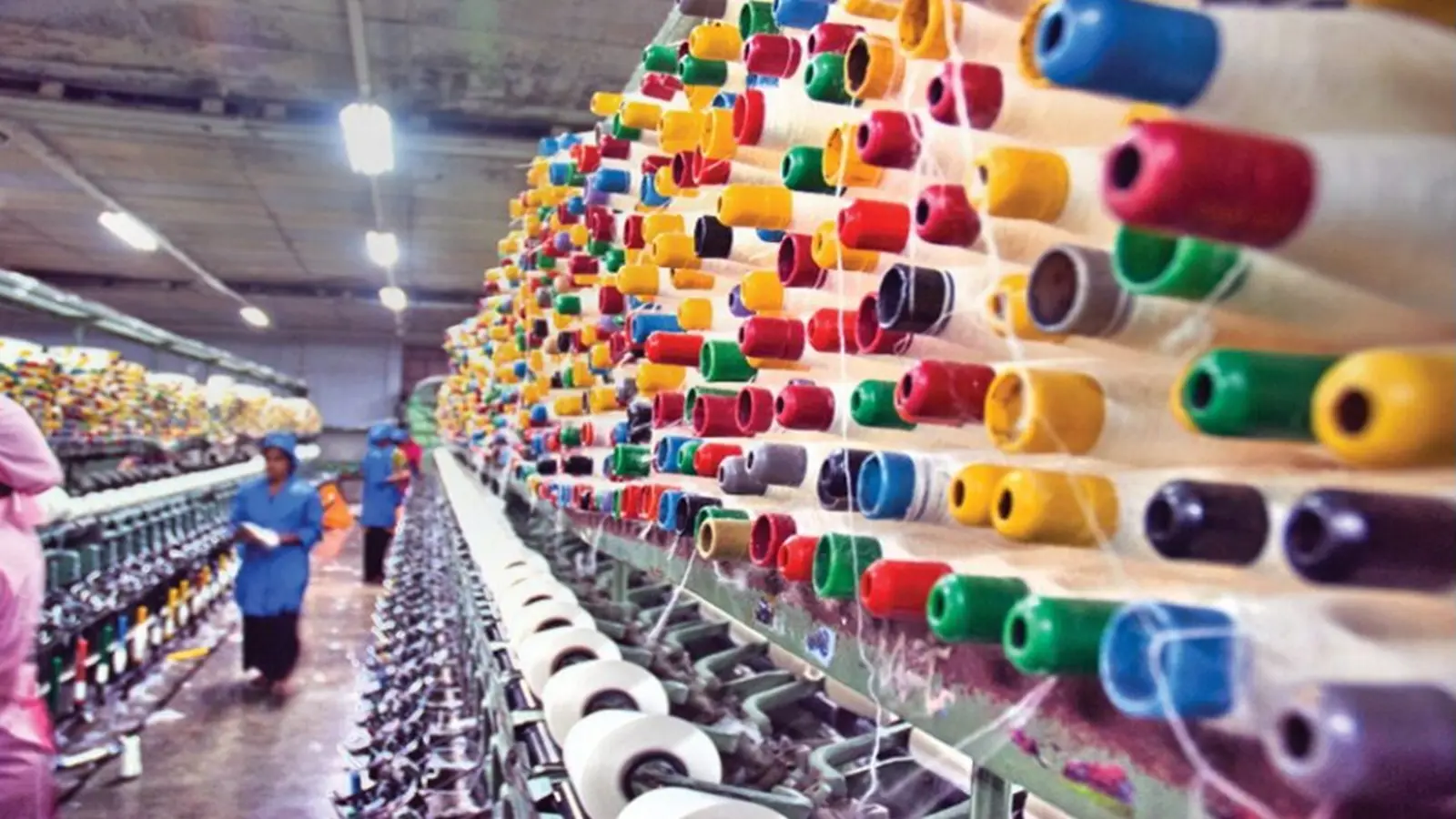
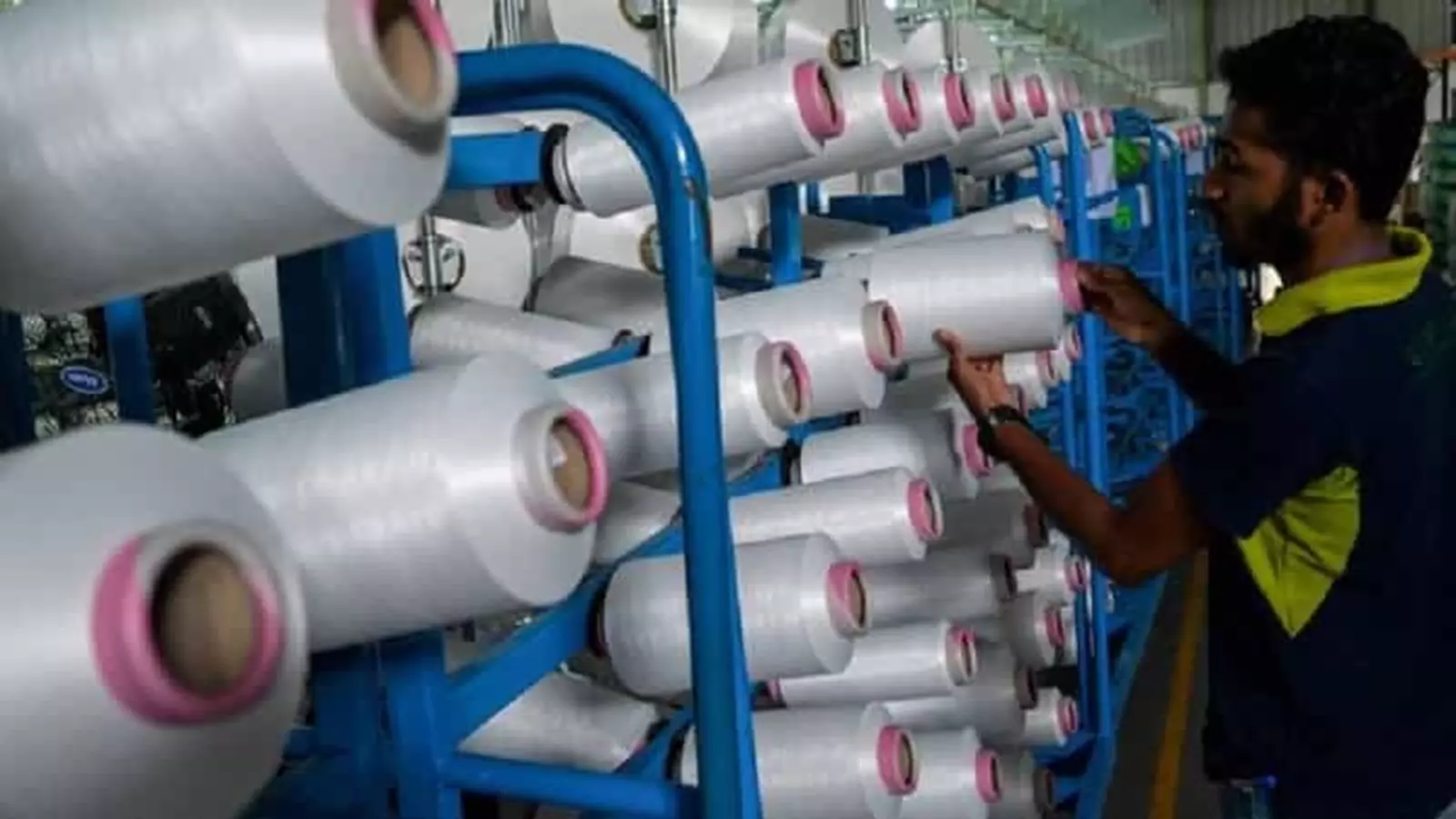
Indian Textile Industry is facing mounting pressure as cotton yarn prices climb to a four-year high of ₹300 per kg, sending shockwaves across the entire value chain from spinning mills to garment manufacturers. What initially appeared as a supply-side fluctuation has now evolved into a full-scale cost crisis, raising concerns over profitability, export competitiveness, and future production stability.
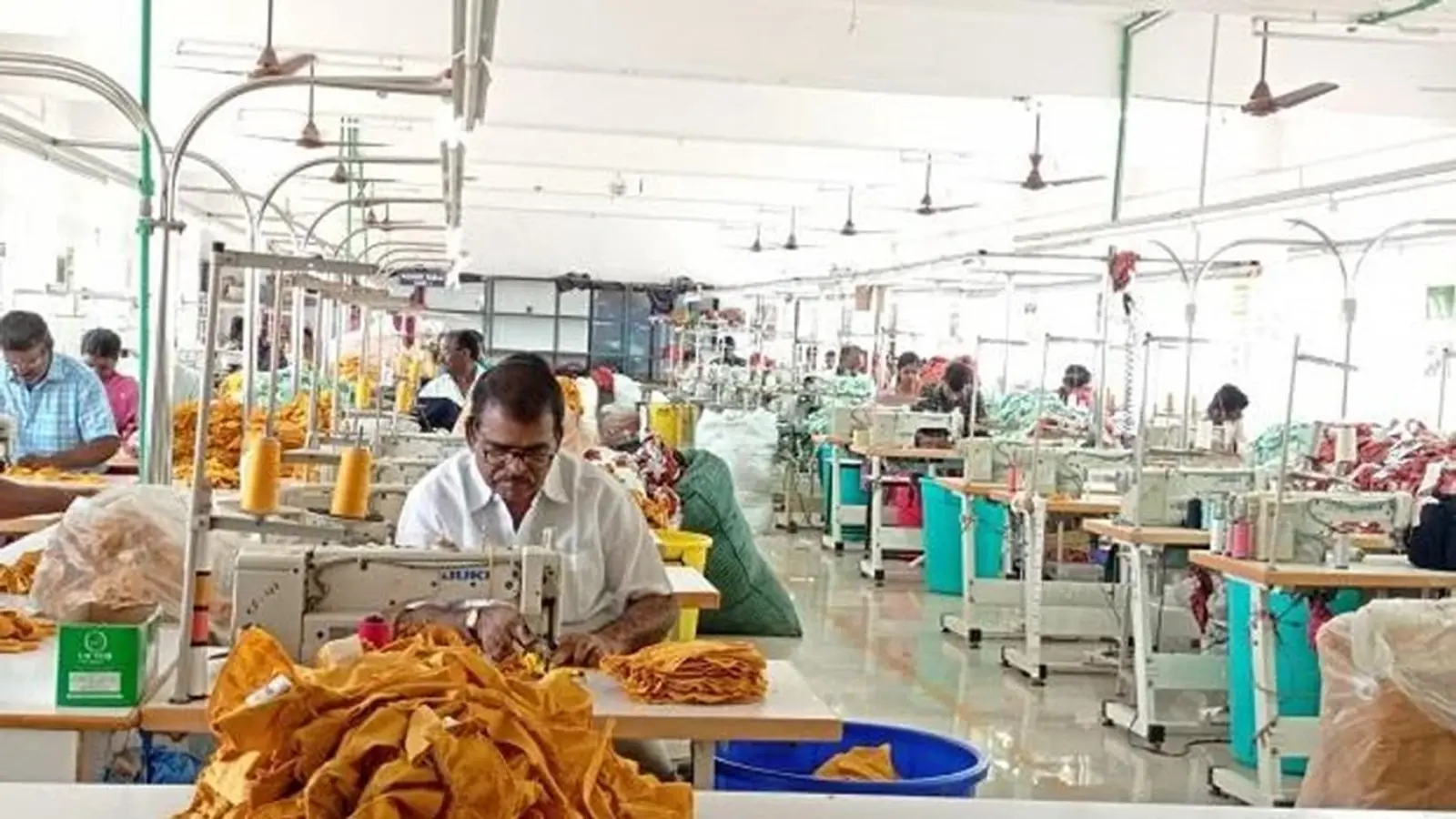
The surge has been primarily driven by strong export demand coupled with tightening domestic cotton availability, pushing Indian yarn prices above global benchmarks. While this might appear beneficial for exporters in the short term, the reality on the ground is far more complex. Higher yarn costs are significantly eroding margins for downstream sectors such as fabric processing, apparel manufacturing, and retail, where price sensitivity remains high and the ability to pass on costs is limited.
As a result, the impact is no longer restricted to spinning units. The ripple effect is clearly visible across the textile ecosystem. Fabric prices are rising, garment manufacturers are struggling to maintain competitive pricing in international markets, and retailers are beginning to face the risk of inflationary pressure on end-consumers. For export-oriented businesses, this creates a double challenge higher input costs at home and increasing price competition globally. Industry experts warn that if the current trend continues without timely policy intervention, the sector could witness production slowdowns or cuts, especially among small and medium enterprises operating on thin margins. This could further weaken India’s position in key global markets, where buyers are highly price-sensitive and quick to shift sourcing to alternative countries.
The situation also exposes a deeper structural issue India’s vulnerability to raw material volatility despite being one of the world’s largest cotton producers. With supply tightening domestically and demand surging internationally, balancing the two has become increasingly difficult. Looking ahead, the textile industry stands at a critical juncture. Strategic measures such as stabilizing cotton supply, rationalizing export flows, and supporting downstream manufacturers will be essential to contain the damage. Without such steps, the current yarn price spike risks turning into a broader industry slowdown, affecting not just exports but also domestic consumption and employment.
12:09 PM, May 04
.webp)
.webp)
Epic Group Launches $100 Million Odisha Mega Garment Hub in India
12:59 PM, May 01.webp)
Chinese Delegation Eyes Major Textile Investment Push in Bangladesh
02:36 PM, Apr 29
Industry Update

1.webp)
1.webp)
1.webp)


1.webp)

1.webp)
India’s Textile Exports Slip in FY26, Exposing Structural Gaps in Global Competitiveness...view more
1.webp)
1.webp)
.webp)

1.webp)
1.webp)
1.webp)
1.webp)

1.webp)

1.webp)

1.webp)
1.webp)

1.webp)
1.webp)


India Expands ₹10,683 Crore Textile PLI Scheme to Boost MMF and Technical Textile Growth...view more

1.webp)
1.webp)
1.webp)
1.webp)
1.webp)







1.webp)


1.webp)
1.webp)


1.webp)


Uttar Pradesh’s New PM MITRA Textile Park Aims to Transform State into Major Textile Hub...view more


1.webp)


1.webp)




1.webp)


1.webp)
1.webp)
1.webp)


1.webp)

1.webp)
1.webp)


1.webp)
1.webp)


1.webp)


1.webp)
1.webp)


1.webp)

1.webp)


1.webp)


1.webp)
1.webp)
1.webp)


Kolkata Set to Become Textile Sourcing Hub as YARNEX and TEXINDIA Return in January 2026...view more
1.webp)
1.webp)

1.webp)


1.webp)
1.webp)
1.webp)
1.webp)
1.webp)

1.webp)

1.webp)
1.webp)


1.webp)


1.webp)


1.webp)



1.webp)



1.webp)

1.webp)
1.webp)

1.webp)

1.webp)

.webp)

1.webp)

1.webp)








1.webp)











1.webp)


1.webp)



Carrington Textiles Introduces Defence Stock Range for Faster Access to Military Fabrics...view more


1.webp)





1.webp)


1.webp)
1.webp)





1.jpg)


1.jpg)








_large1.jpeg)








.png)


.jpg)


1.jpeg)